
To The Archives
And what it means to be a Historian in 2026

There is a thoughtful dialogue happening in the online historical community right now surrounding an important idea: What is a Historian in 2026? The question was first posed by Dr. Anthony Delaney via Instagram and has gained some traction. I’ve seen everyone from longtime Ph.D.’s to Ph.D.’s-in-training chime in with what they believe it means to be a historian. What I admired and appreciated about Dr. Delaney’s video was how nuanced it was. In an era seemingly addicted to shallow, click-bait material intended to trigger viewers, it was comforting to sit and ruminate over what Dr. Delaney was working through which was: what does it take to “qualify” as a historian?
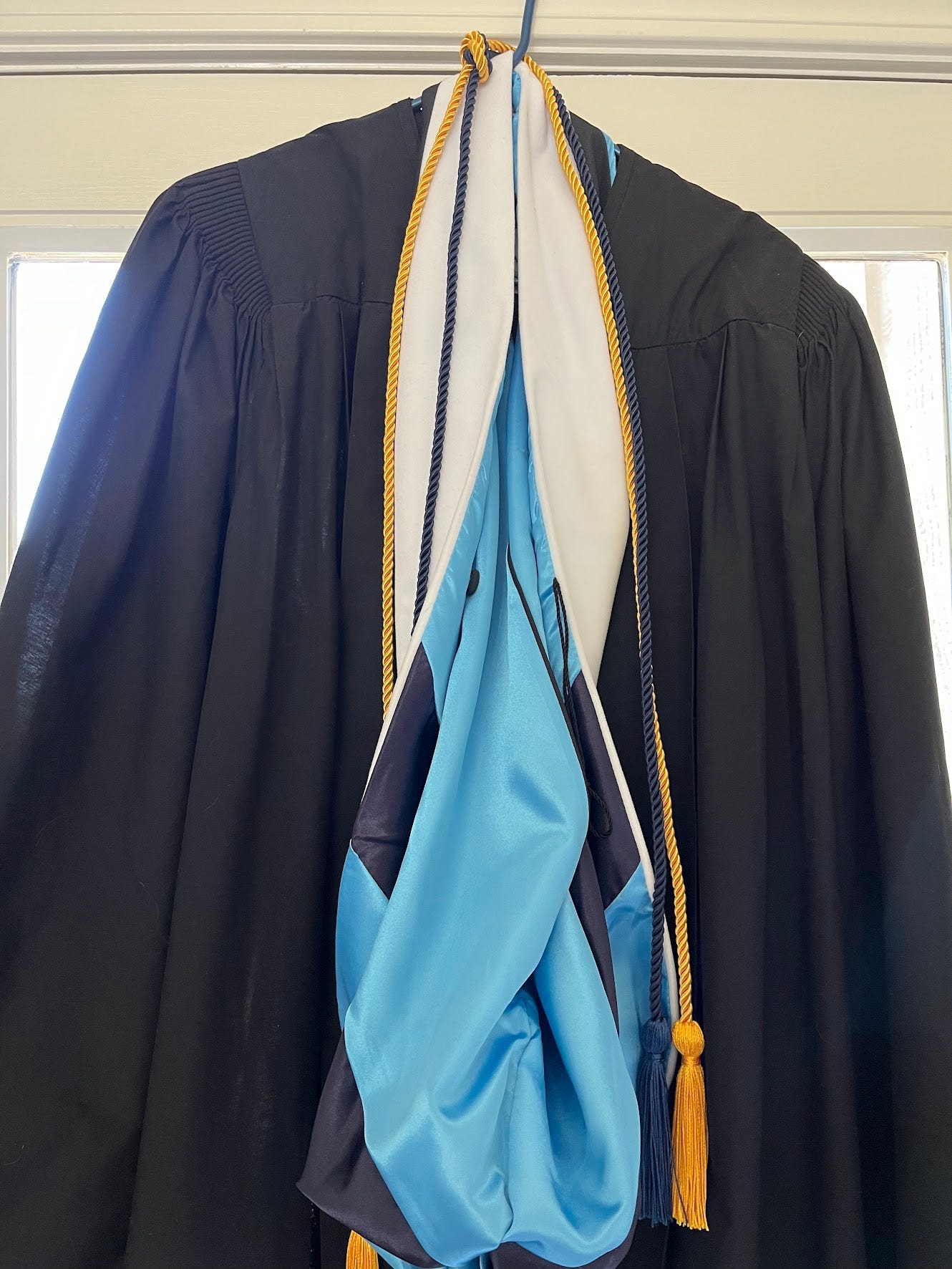
With the explosion of TikTok, YouTube, podcasts, and the ever expanding use of AI, almost anyone can throw something together about the past, put it out to the masses, and call themselves a historian. I have seen several YouTube channels and podcasts from these so-called “historians” whose research amounts to little more than a quick scan of a Wikipedia page. Don’t get me wrong - Wikipedia is a great place to mine for sources (especially if you’re looking for material on an esoteric topic) - but it should never be the main source of information. It is one of the reasons why when I started my show in 2020 - before I attended graduate school and further developed my training - I very specifically referred to myself as a “history nerd.” While I earned an undergraduate degree in history, I did not feel that when I was producing the early episodes I was a historian. I was simply someone who was passionate about the craft and wanted to get the love to busy adults (and there are more than a few early episodes that I wince listening to, wishing I could get a do-over. Seriously)!
However, Dr. Delaney also rightfully pointed out that obtaining a Ph.D. is not necessarily the qualifier, either. He listed several writers whom he considers historians due to the quality of their research in their books. One of my favorite historian-not-historians is Jon Meacham - who holds a degree in English Literature. Where Dr. Delaney landed in his video was that outside of the degree requirement - which is mainly used to obtain a job in the academy, a historian is someone who contributes to the field and deals with primary source material in a meaningful way. This resonated deeply with me as someone who wanted to but ultimately decided against pursuing a Ph.D. Stopping my training at the master’s level, I’ve always felt a little unsure if it was “appropriate” to call myself a historian. I never wanted to take away from the hard work that goes into earning the terminal degree. Yet, in earning my master’s degree I engaged heavily in primary source material, conducted a half dozen oral histories, and contributed to the field in a meaningful way by posing questions historians haven’t asked yet - at least not anywhere I could find. And I am not done asking those questions and seeing where the research takes me. Despite not going into a Ph.D. program, I remain dedicated to my topic - so much so that last fall I went to the University of Southern California where I visited the California Social Welfare Archives.
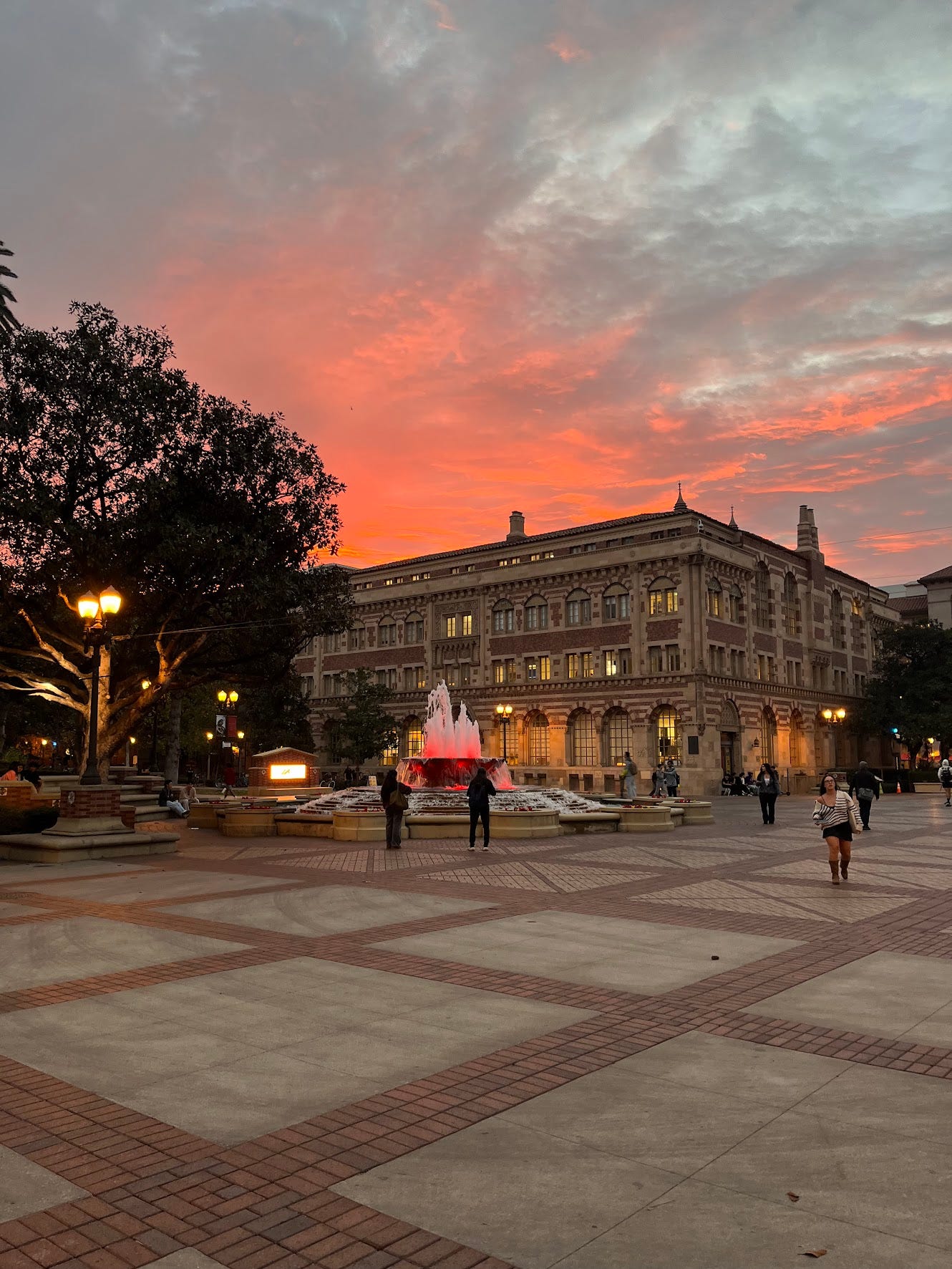
If you do not know, I study welfare in the United States. I am particularly interested in the evolution of the social safety net and how frontline workers navigated the myriad changes throughout the various iterations of welfare throughout the twentieth century. I am fascinated not only from a policy perspective: how mother’s pensions evolved into aid paid payments; why women had to “prove” they were worthy for assistance under the Aid to Dependent Children’s Program (ADC, which later became AFDC which is now known as Temporary Aid to Needy Families or TANF), while other forms of assistance made no such requirement. I am also interested in the history of welfare from a labor perspective. Why did people (mostly women) choose this work? How was the job evolved as the responsibilities and program shifted over time? These questions - among many others - are what brought me to USC last fall. For a few days I spent several hours tucked away in a research room, carefully nosing through papers, proposals, and transcripts - all in search of the magical piece of historical evidence that would make my case.
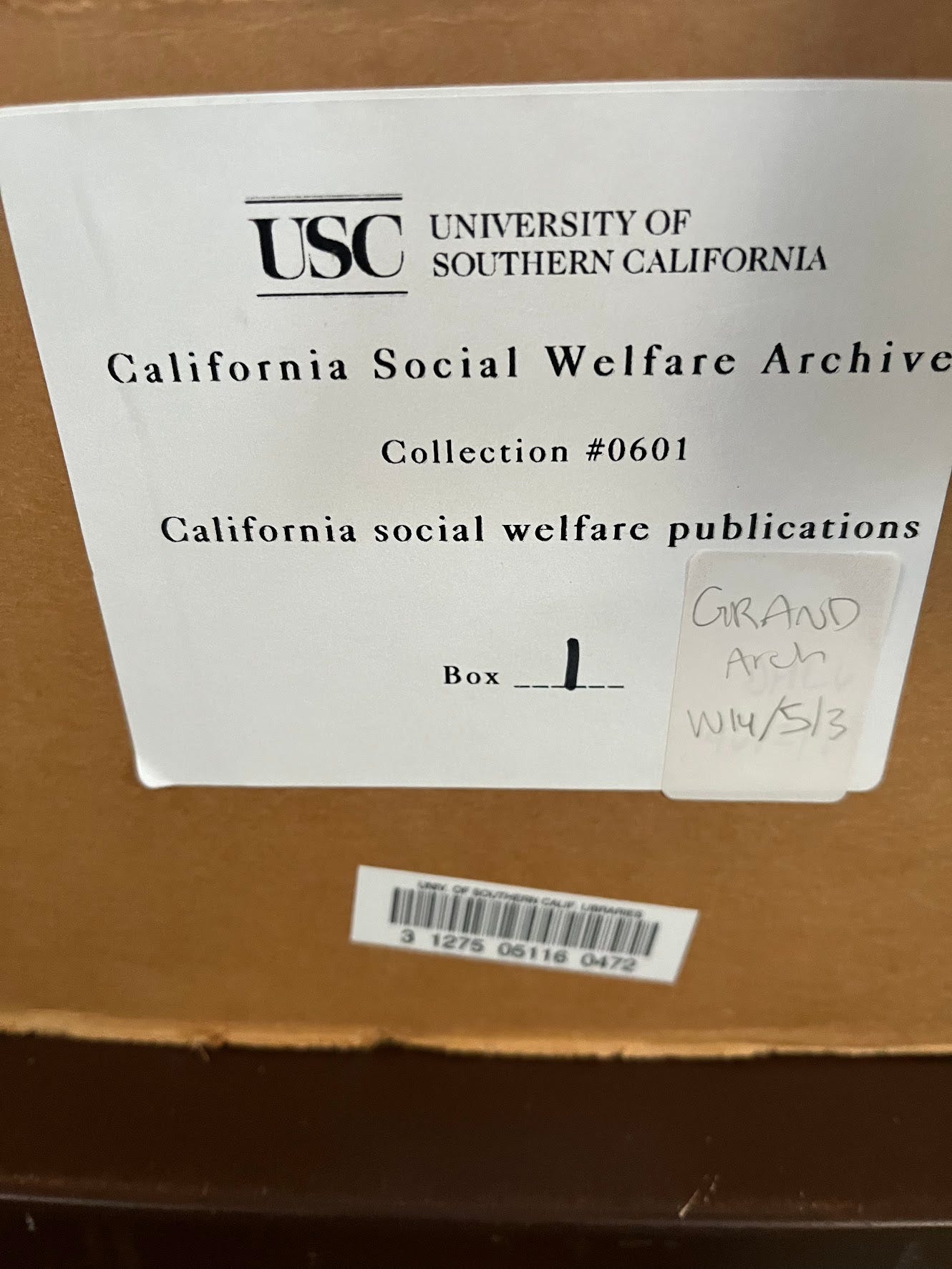
The California Social Welfare Archives houses a significant amount of material - mostly focused on the origins and developments of social work - and the school of Social Work at the University - in California. It was incredibly rewarding - not to mention fascinating - to thumb through oral history transcripts and conference papers and see how academics and social workers responded to the various iterations of welfare policy in California in real time. There is one very specific piece of the puzzle I am on the hunt for that I hope will provide some much needed clarity and open some new lines of inquiry. Yet what I did find in the archives helped paint a picture for the early days of social welfare development in Southern California. One of the questions I am trying to answer is how did social policy differ throughout the state? Luckily, the documents housed at USC provided a wealth of information that I am slowly sifting through and wrapping my head around.
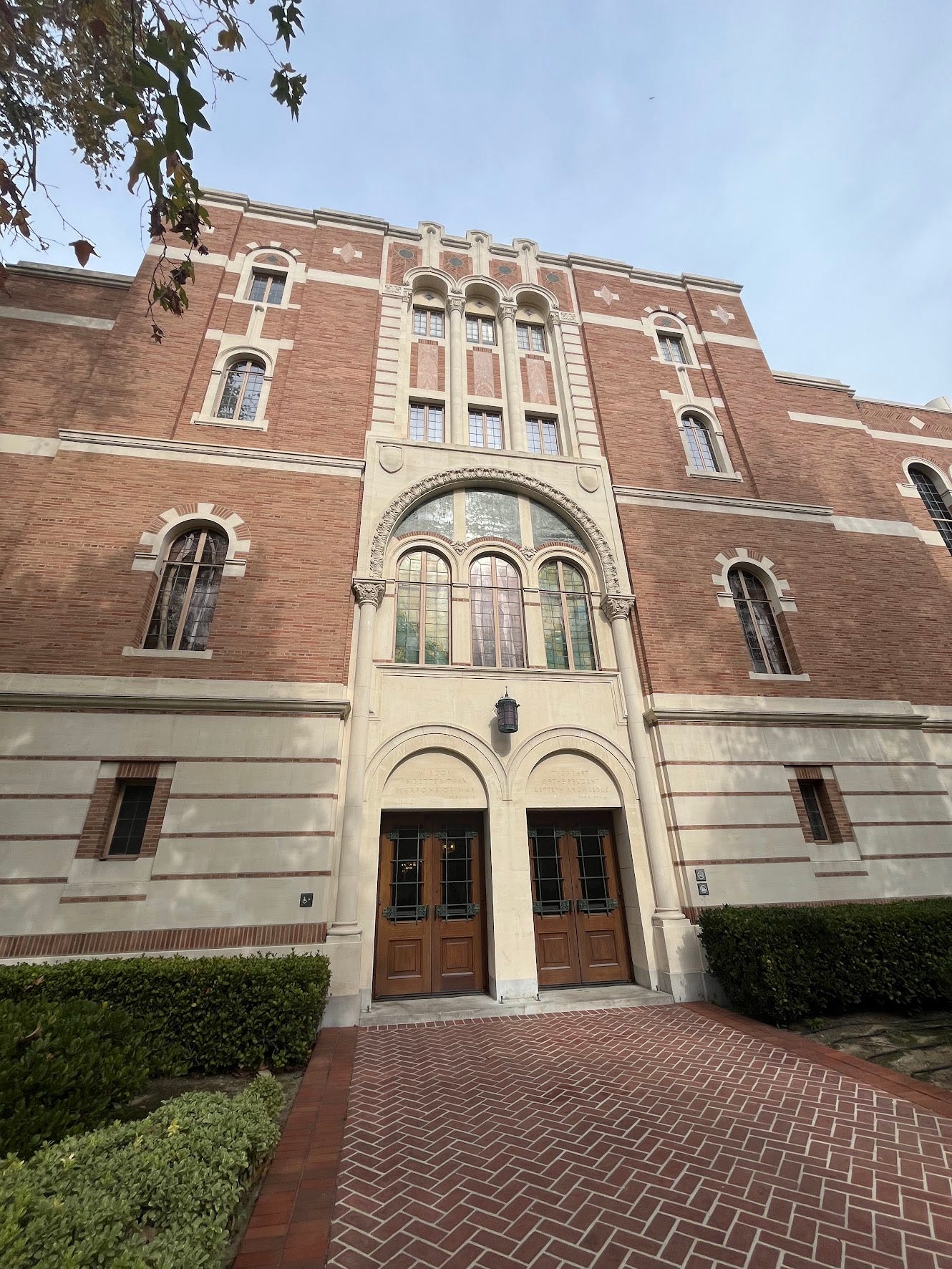
Alas, as I suspect it is with most research trips, I left with more questions than answers. But I tell you what - I also never felt more like a historian, either.
More from Civics & Coffee
If you follow the podcast on social media then you may have already seen, but I recently published an article with The Sonoma Historian tracing the history of Women’s History Month. It’s a piece I have been working on for quite some time and I am so happy to see it finally out in the world. It is part of a larger project I am working on about Molly MacGregor and her colleagues who helped push for the inclusion of women’s stories in the K-12 classroom. I hope to be able to share more on that soon, so stay tuned. But in the meantime, be sure to check out the article (linked above).
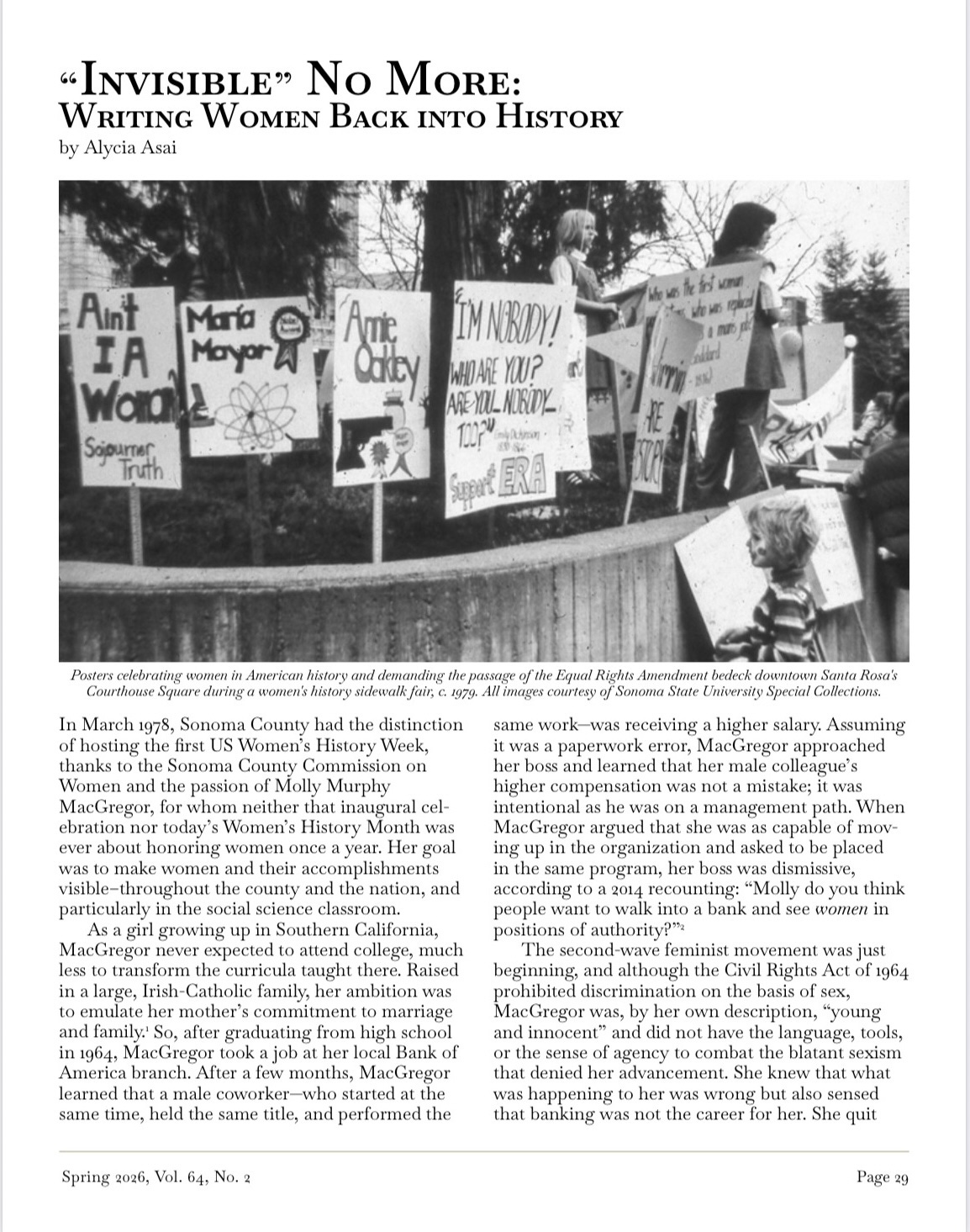
I also recently announced that Civics & Coffee is going on the road! I am so excited to share that I’ll be speaking this year in Boston at History Camp! My talk, From the Triangle Fire to Today: Women, Work, and the Fight for Safety and Dignity will focus on the Triangle Shirtwaist Factory fire and will introduce you to the women who turned that unspeakable tragedy in 1911 into a moment for change - change that remains with us today. The Triangle Shirtwaist Factory Fire is my Roman Empire and I do enjoy any chance to talk about strong, fierce women so I cannot wait! You can learn more about the logistics and registrations by visiting History Camp’s website here.
On My Bookshelf
May was a bit of busy month - my brother graduated from San Francisco State University! And the hubs and I took a mini vacation with my in-laws, so my reading slowed a wee bit, but I still managed to get through a few titles including Dear Miss Perkins by Rebecca Brenner Graham and Rachel Maddow’s Prequel both of which had to deal with Nazi’s and World War II (I had a little bit of an unintentional theme last month, oops!). I wrapped up Ellen DuBois’s Elizabeth Cady Stanton: A Revolutionary Life and got through some upcoming interview titles which I am so excited to share with you in the future. Stay tuned.
On The Podcast
You made May a month to remember! Thank you so much for your constant support of the show. Truly. I wouldn’t be able to do all of this without all of you, so I thank you all. I continued traveling through the Gilded Age with a special deep dive into the Commodore himself Cornelius Vanderbilt while taking the smallest look into women’s fight for the vote - there will be much more to come, I promise! As much as I thought I knew about the suffrage movement, I am quickly learning I have only scratched the surface. Luckily, I have a great list of books to dive into to deepen my knowledge.
I also sat down with Dr. Robert May to discuss his latest book Debunking the Yule Log Myth which I highly recommend for any AP History class or senior seminar focused on training historians. Dr. May did such a wonderful job lifting the curtain, so to speak, and I think every history student would benefit from reading the book. I also welcomed Dr. Nancy Bernhard to discuss her first historical novel The Double Standard Sporting House, which is takes place in the Gilded Age and includes themes that resonate with our present moment. Be sure to check out the episodes (and the books) if you haven’t already.
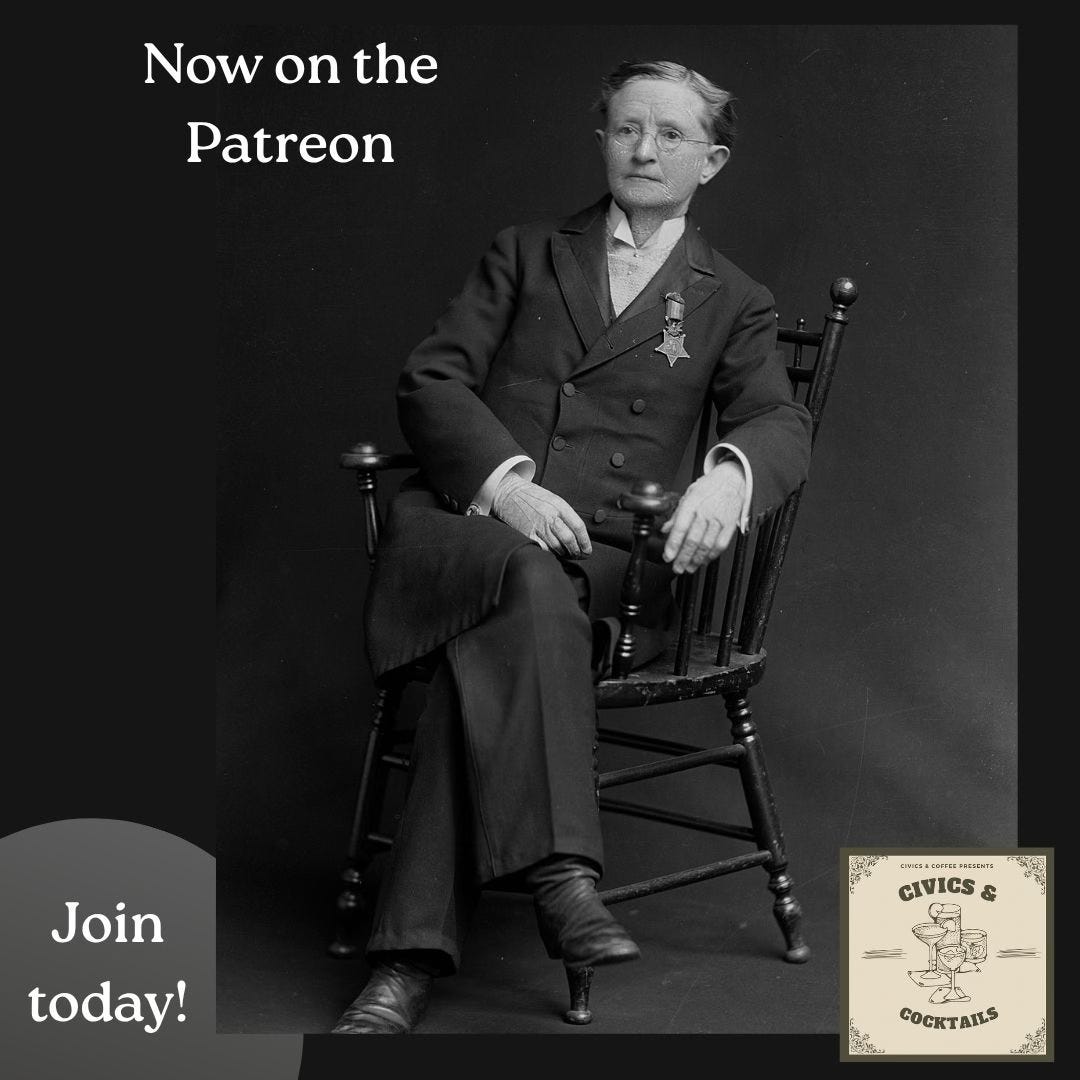
And of course over on the Patreon, I welcomed Val and Stacey to discuss Mary Edwards Walker - the first and to date only woman to be awarded the Medal of Honor. June’s Patreon episode is going to be a hoot - so be sure to sign up now so you don’t miss a thing!
I hope you all have a wonderful summer filled with great books, deep laughs, and peaceful nights. I have some incredible guests scheduled for and am working on something special for the 250th on the regular feed so be sure to keep your eyes and ears peeled.
Until next time friends,
Alycia
I love this discussion. I hold a bachelors in Communications/Journalism, as well as a law degree, but made a midlife career pivot from corporate management into literary criticism and US history (non-law related). I struggle with how to accurately identify myself, while not "underselling." The imposter syndrome is real in some spaces, while in others, I am embarrassed by my company. For example, I read a social media post from a literary influencer this week who, in a multi-post analysis of a popular novel, writes without a hint of shame that she "skip-read" large sections on the way to her conclusions. This, I think, is the equivalent of your "shallow, click-bait" content creators, though I suspect this person would argue otherwise. For me, I've settled on "independent scholar and critic," but I would be mortified if I learned that those with whom I share interests and space feel about me the way I feel about The Skip-Reader.